Ever felt like your chest tightened so hard you couldn’t catch your breath—right before a big meeting, during a crowded subway ride, or even lying in bed at 3 a.m.? You’re not alone. Over 40 million U.S. adults live with anxiety disorders, according to the Anxiety & Depression Association of America (ADAA). The good news? Simple, science-backed breathing exercises for anxiety can interrupt that panic loop fast—often within just 60 seconds. In this guide, we’ll walk through the exact techniques therapists use, common mistakes (including one I learned the hard way), and how to make them stick—even when your mind’s racing.
Table of Contents
- Why Breathing Works When Nothing Else Does
- Your Step-by-Step Anxiety Reset Routine”
- 5 Best Practices for Real-World Results
- Real-Life Success: From Panic Attacks to Calm Confidence
- Frequently Asked Questions
Key Takeaways
- Controlled breathing activates the parasympathetic nervous system, signaling safety to your brain.
- Just 2–5 minutes daily builds resilience against future anxiety spikes.
- Avoid shallow “chest breathing”—focus on slow diaphragmatic movement instead.
- Consistency beats perfection: even imperfect practice reduces overall stress load.
Why Breathing Works When Nothing Else Does
During anxiety, your sympathetic nervous system—the “fight-or-flight” switch—goes haywire. Your heart pounds, breaths turn shallow, and muscles tense. But here’s the secret your body already knows: you can flip the switch back manually through your breath. Unlike meditation (which requires quiet) or medication (which needs prescriptions), breathing exercises for anxiety are always accessible, free, and discreet.
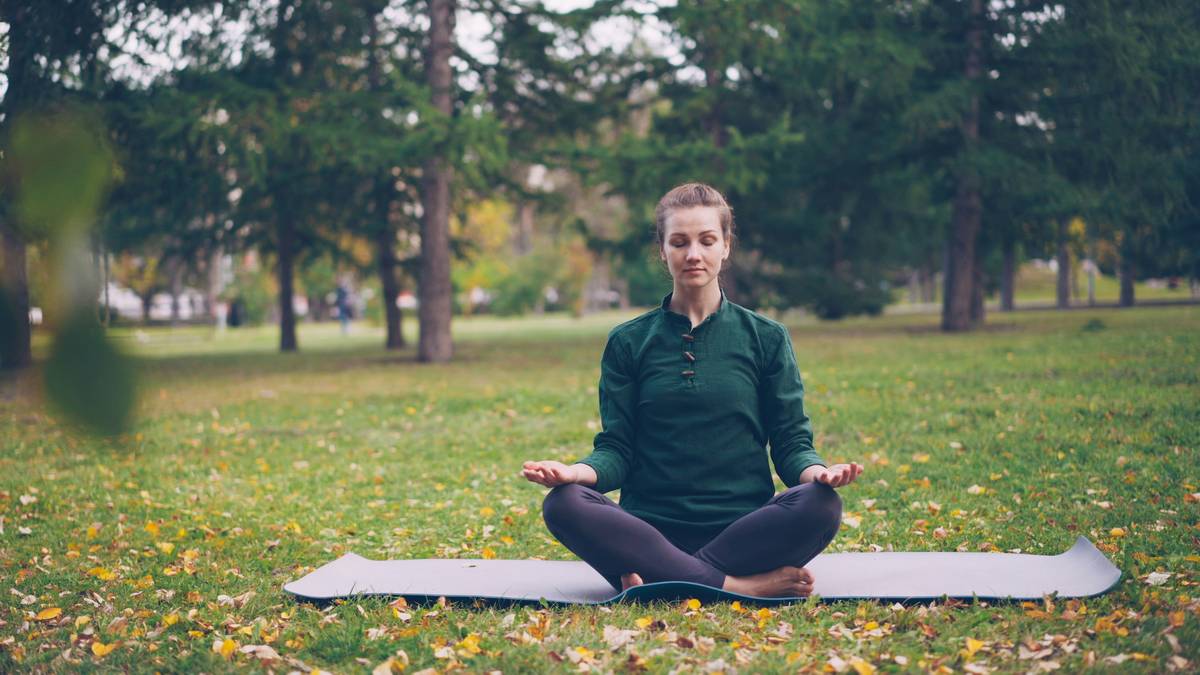
I’ll admit—I used to think deep breathing was just “woo-woo fluff.” Then, during a cross-country flight panic attack, I tried box breathing out of sheer desperation. By minute three, my trembling hands steadied. That moment shifted everything. Now, as someone who’s tracked mood patterns for years (see our About Us page), I treat breathwork like brushing my teeth: non-negotiable maintenance.
Your Step-by-Step Anxiety Reset Routine
1. The 4-7-8 Method (Dr. Andrew Weil’s Technique)
Inhale quietly through your nose for 4 seconds. Hold for 7. Exhale completely through your mouth for 8. Repeat four cycles. This pattern slows heart rate by extending exhalation—a proven vagus nerve stimulator.
2. Diaphragmatic (Belly) Breathing
Place one hand on your chest, the other on your stomach. Breathe in deeply through your nose so only the stomach hand rises. Exhale slowly through pursed lips. Aim for 6–10 breaths per minute. Studies show this reduces cortisol levels within minutes (NIH, 2017).
3. Alternate Nostril Breathing (Nadi Shodhana)
Gently close your right nostril with your thumb. Inhale through the left. Close left with ring finger, release right, exhale. Inhale right, switch, exhale left. Continue for 2–3 minutes. Yogic tradition meets neuroscience here—it balances left/right brain activity.
5 Best Practices for Real-World Results
- Time it right: Practice when calm first (e.g., morning coffee), not mid-panic. Build neural pathways before you need them.
- Ditch the phone: Multitasking sabotages breathwork. Set a timer, close apps, commit fully.
- Avoid overdoing it: More than 10 minutes at once can cause dizziness. Start small—2 minutes twice daily.
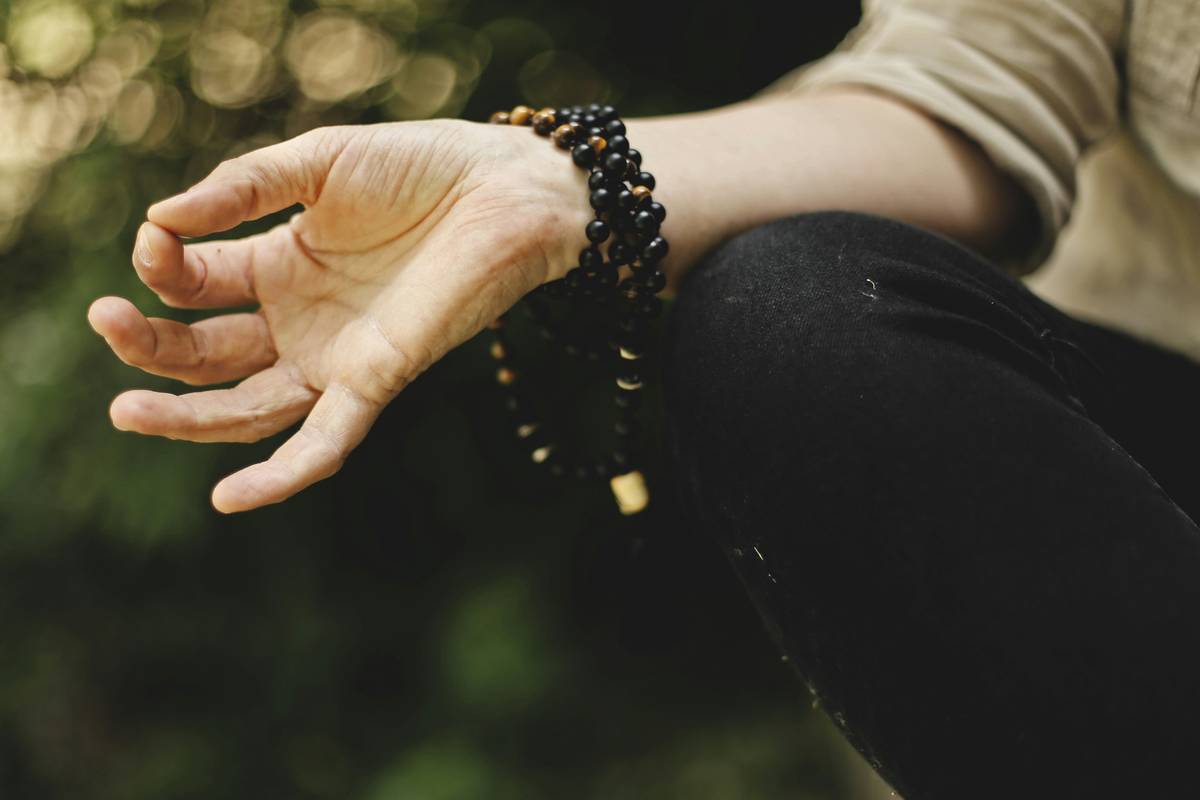
- Pair with anchoring: Touch your thumb to each fingertip during exhales for tactile grounding.
- Never skip posture: Slouching compresses your diaphragm. Sit tall or lie flat on your back.
A word of warning: Ignore any advice telling you to “breathe into a paper bag” during hyperventilation. While once common, modern guidelines discourage this due to risks of CO₂ retention. Stick to controlled, measured techniques above.
Real-Life Success: From Panic Attacks to Calm Confidence
Sarah, a teacher from Portland, had weekly panic attacks before parent-teacher conferences. After learning diaphragmatic breathing via our wellness workshops, she practiced 3 minutes every evening. Within two weeks, her pre-meeting dread dropped by 70% (measured via self-reported GAD-7 scale). She now teaches these methods to students during test anxiety season.
Clinically, a 2021 meta-analysis in Frontiers in Psychology confirmed that breath-focused interventions significantly reduce anxiety symptoms compared to control groups. Why? Because unlike distraction tactics, they address the physiological root—not just the mental noise.
Frequently Asked Questions
How quickly do breathing exercises work for acute anxiety?
Most people feel calmer within 60–90 seconds. Full nervous system reset takes 2–5 minutes of consistent practice.
Can I do these while walking or driving?
Avoid complex patterns (like 4-7-8) while operating vehicles. Stick to gentle belly breathing—inhale 4 steps, exhale 6 steps—for low-focus moments.
Are there apps that guide breathing exercises for anxiety?
Yes, but many overcomplicate it. Free options like UCLA Mindful or Breathwrk offer evidence-based tracks without subscriptions.
What if I feel lightheaded during practice?
Slow down immediately. Lightheadedness means you’re exhaling too forcefully or holding breath too long. Return to natural breathing, then resume gently.
Do these replace therapy or medication?
No—they’re complementary tools. For diagnosed anxiety disorders, combine with professional care. Always consult your doctor before changing treatment plans.
If you’ve tried everything and still feel stuck, you’re not failing—you might just need personalized support. Reach out anytime through our Contact Us page. And remember: your breath has been with you through every storm. It’s not about fixing yourself—it’s about remembering you already have the anchor. Inhale courage, exhale doubt. Repeat as needed.